Textile-Native Interfaces from Fibers to Futures

텍스타일 하이브리드 연구실 | 동국대학교 서울캠퍼스

Textile Hybrid Lab, founded and led by Prof. Seonyoung Youn, reimagines textiles as active material systems where fibers, yarns, and structures become the source of function.

Textiles have long served as some of the closest and most intimate materials between the human body and the surrounding environment. As soft, breathable, and body-conforming materials, textiles offer unique possibilities for technologies that remain wearable, adaptive, and deeply connected to everyday life.

At Textile Hybrid Lab, we explore a textile-native approach to future wearable, robotic, and intelligent material systems. Rather than treating textiles as passive surfaces for attaching electronics or devices, we investigate how movement, sensing, response, comfort, and expression can emerge from fiber composition, yarn architecture, textile construction, and material behavior itself.

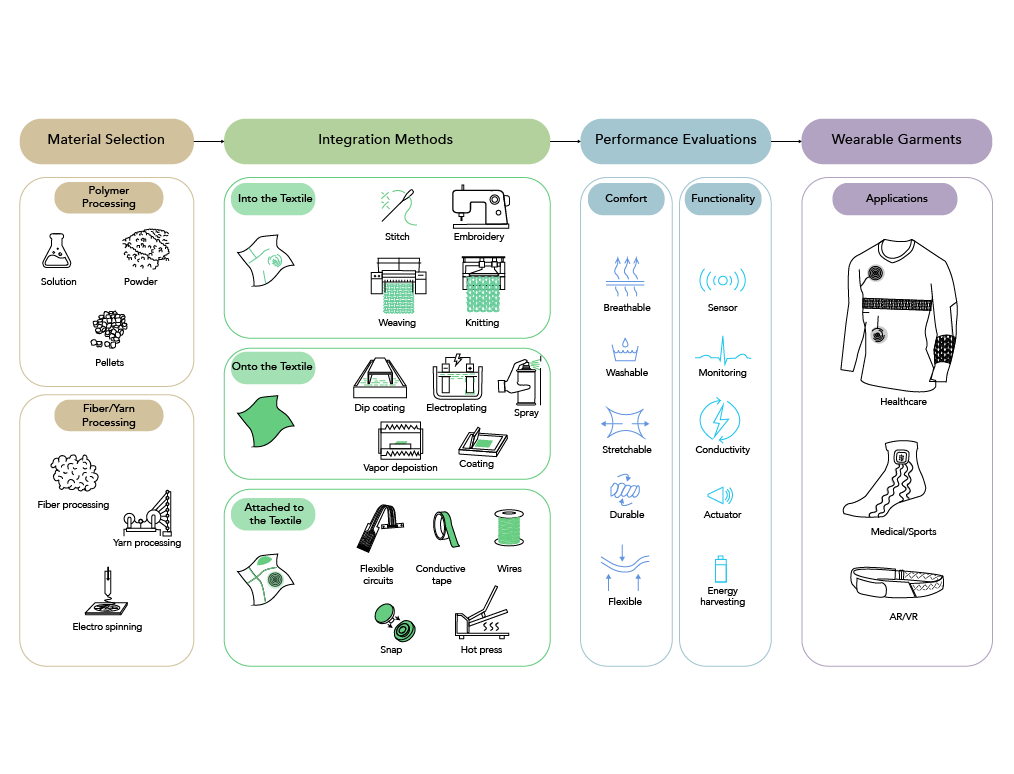
Through the convergence of fiber and polymer science, textile engineering, soft robotics, electronics, AI, computation, digital fabrication, fashion design, and human-computer interaction, we develop textile-native actuators, robotic yarns, responsive bio-textile structures, wearable physiological interfaces, and sustainable textile processes for care, rehabilitation, embodied interaction, and more inclusive human futures.

  • We develop textile-based wearable systems for biosignal sensing, wearable monitoring, rehabilitation, and therapeutic support. By combining soft materials, physiological interfaces, and human-centered design, we create textile system that support comfort, mobility, and everyday care.

  • We design textile systems that sense, actuate, and respond through embedded electronics, soft robotics, and programmable structures. Our work explores textiles as interactive interfaces for assistance, communication, and adaptive human-technology experiences.

  • We translate textiles into digital models through AI-based digitization, virtual prototyping, and computational evaluation. By connecting physical materials with predictive tools, we make textile design more scalable, data-driven, and accessible.

  • We develop textile materials and processes that improve performance while addressing environmental responsibility. Our research explores surface engineering, responsible coloration, and scalable fabrication strategies for future textile applications.

  • We explore textiles as media for form, transformation, and embodied expression. This direction connects material experimentation with speculative design, opening new possibilities for how textiles are perceived, worn, and experienced.


Health, Care & Rehabilitation

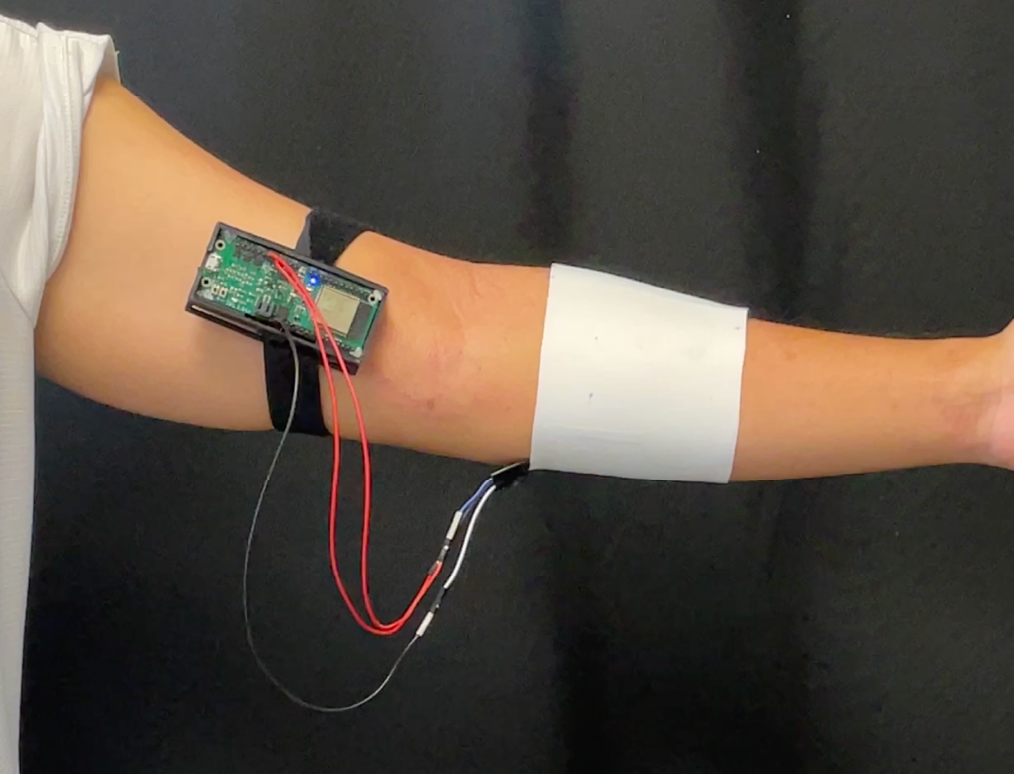
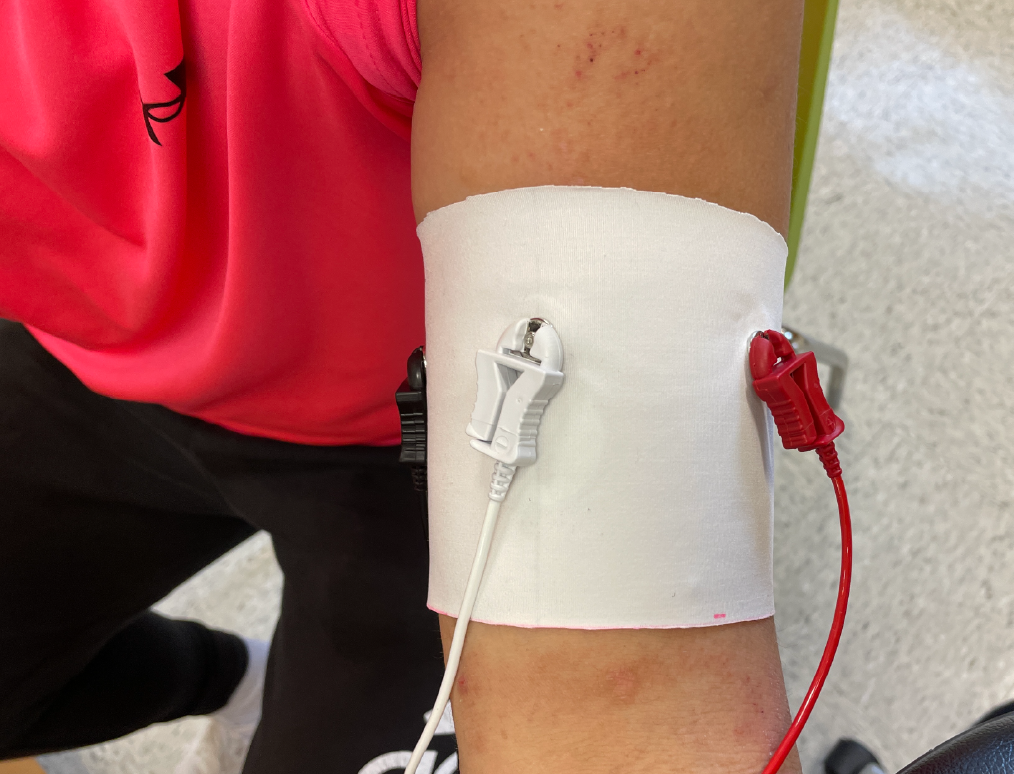
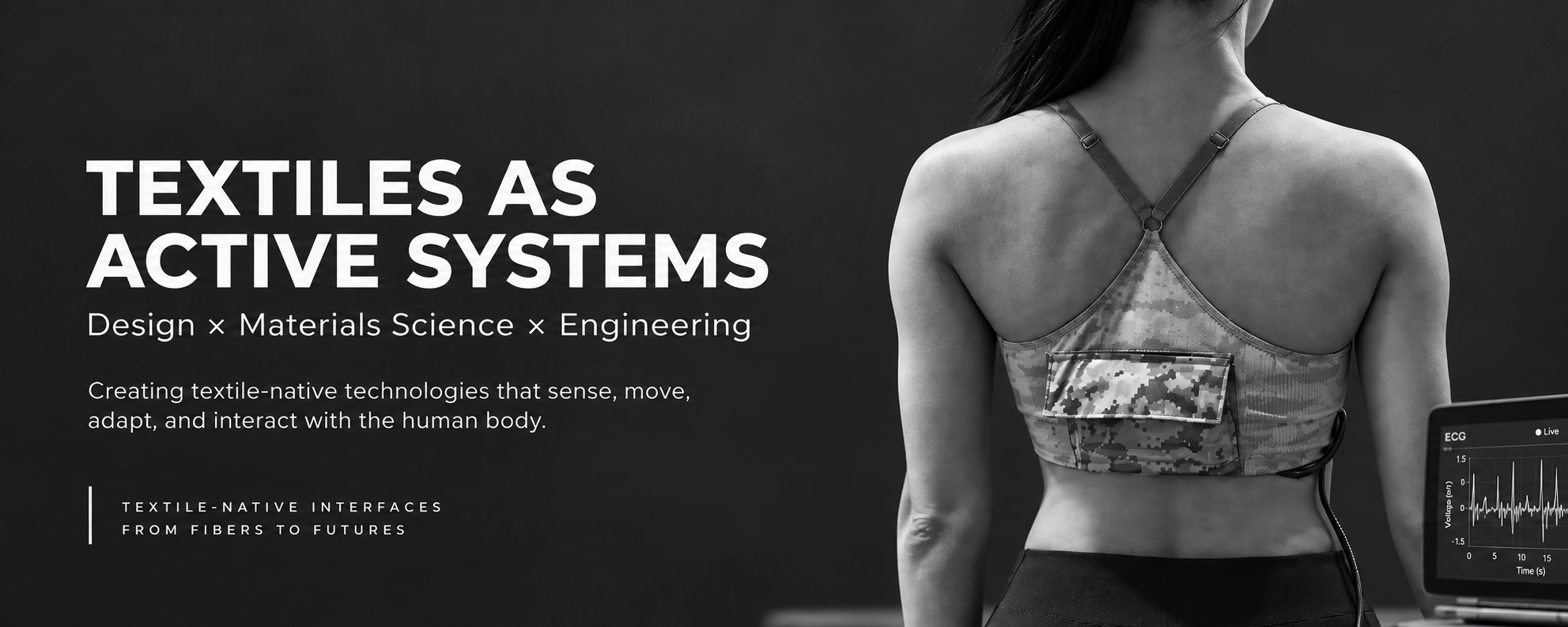
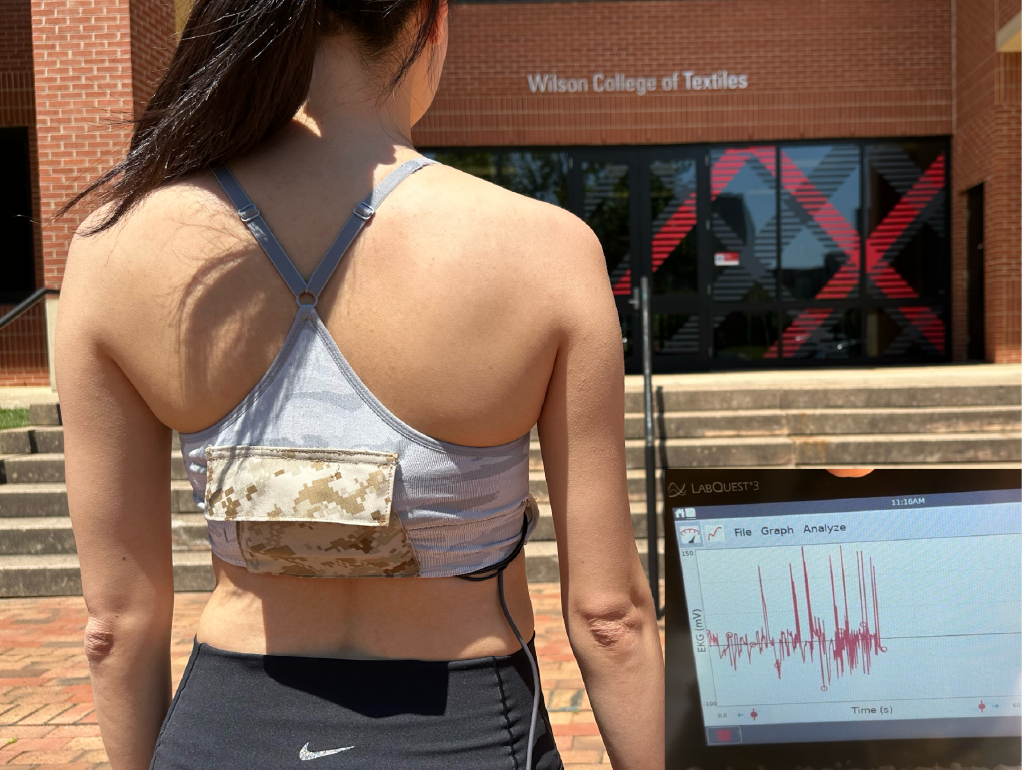
We develop body-adjacent textile systems that support biosignal sensing, wearable monitoring, rehabilitation, and everyday care. Our work focuses on how textile materials, garment structures, and physiological interfaces can be designed together to improve comfort, mobility, signal quality, and long-term wearability in real-life contexts

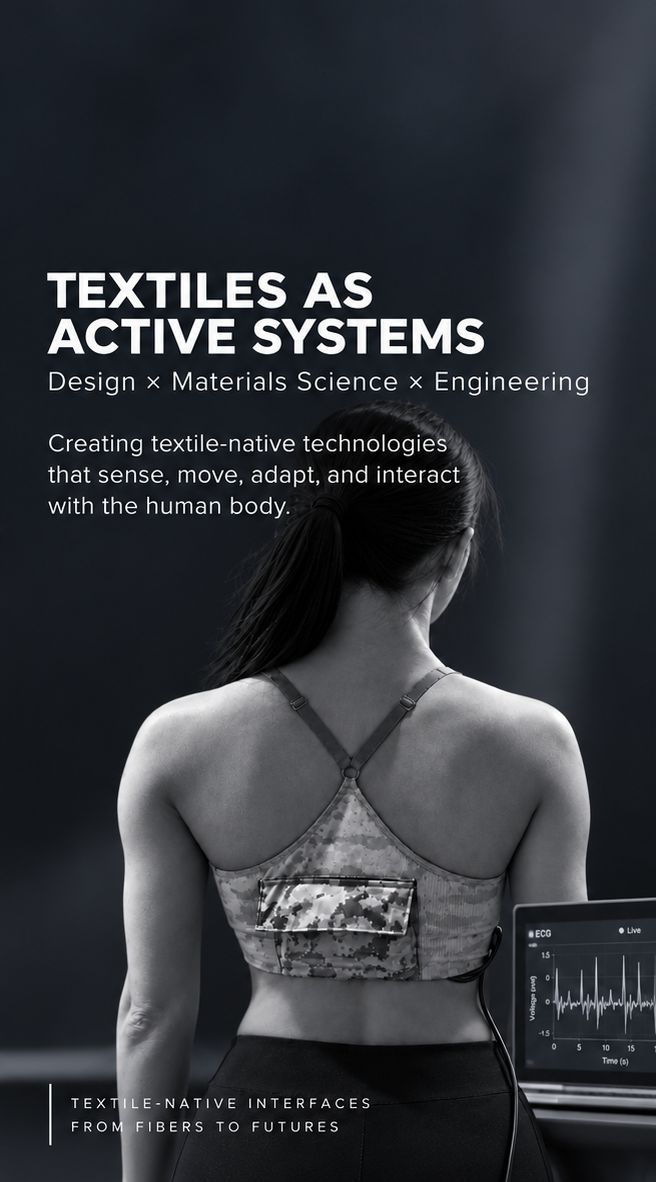
FitECG: ECG sports bra
Wearabel EMG Interface
Wearabel ECG interfac

Robotic Textiles & Interfaces

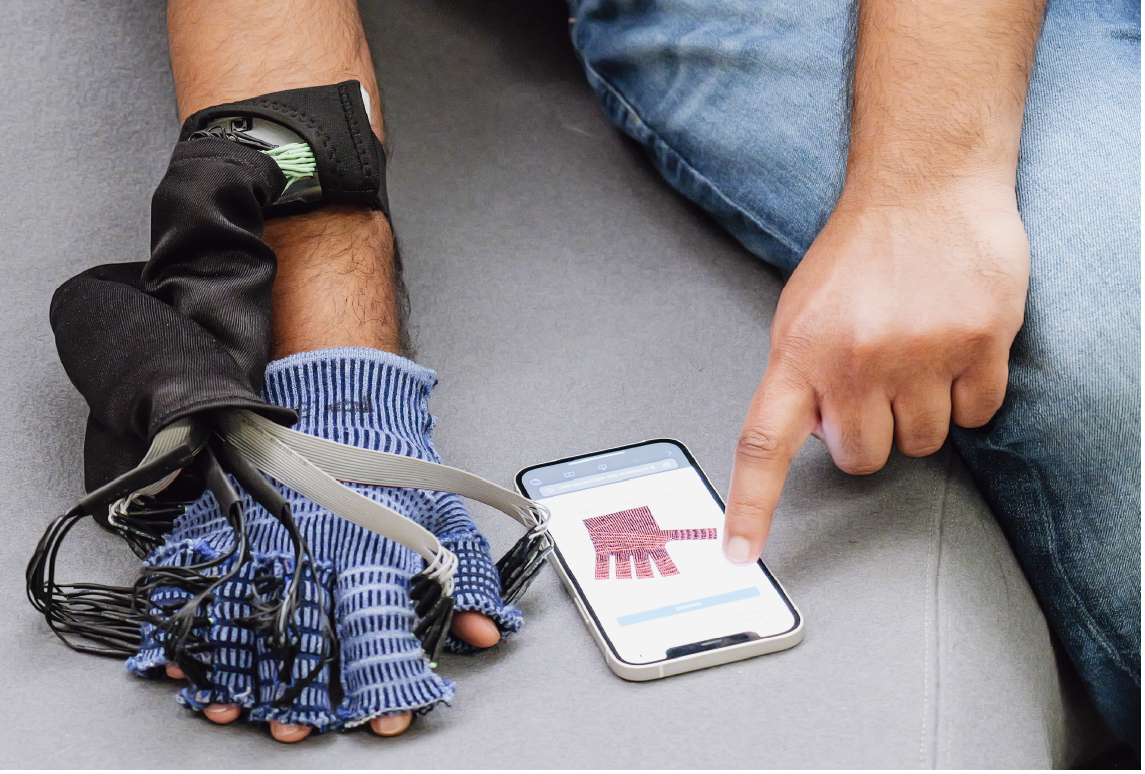
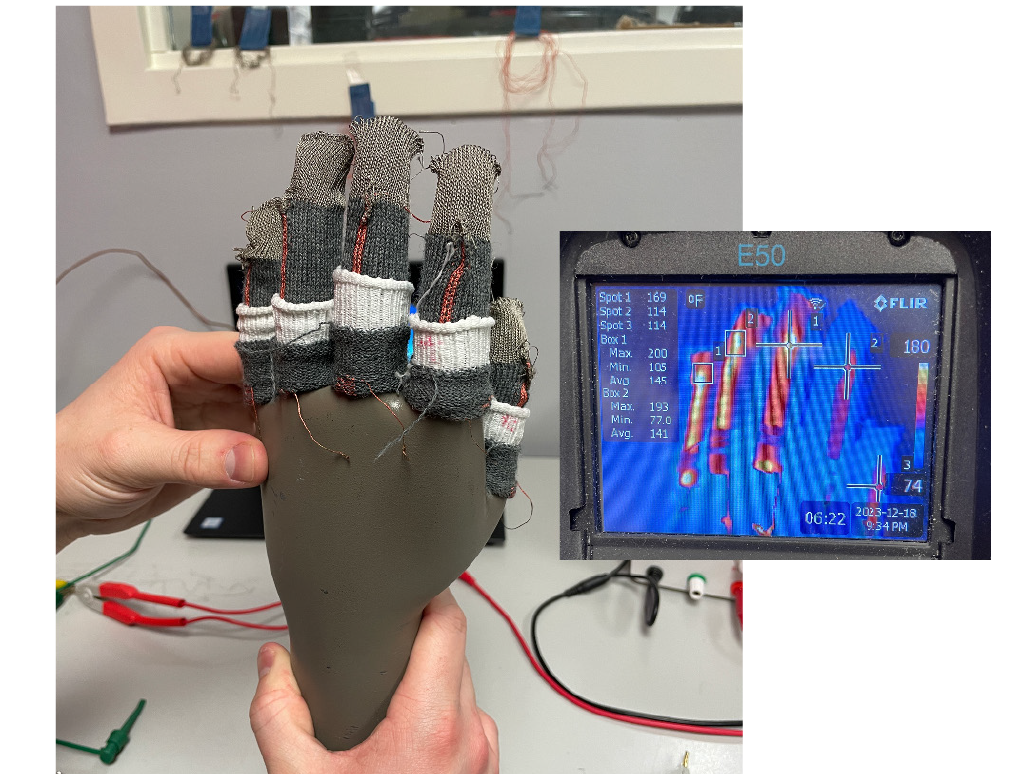
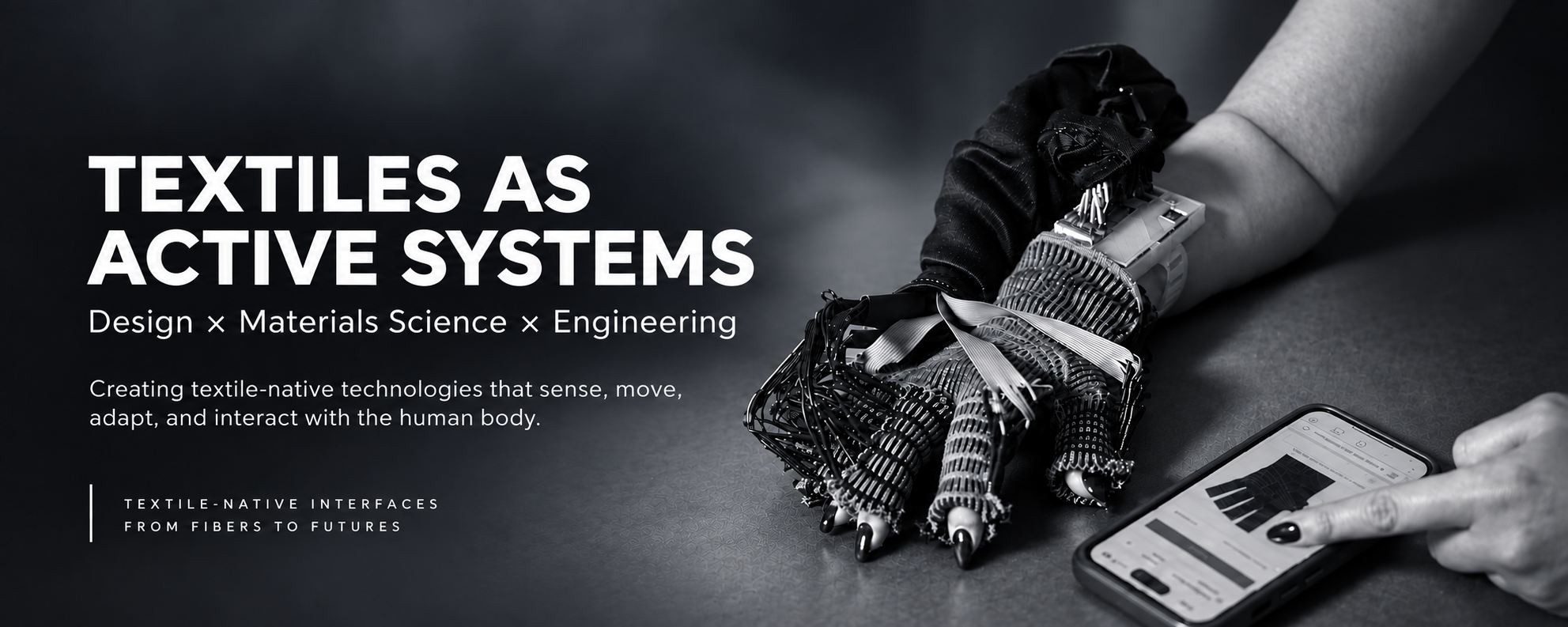
We design robotic textile systems in which movement and response emerge from yarns, fibers, and textile structures themselves. Through textile-native actuators, robotic yarns, embedded electronics, and programmable knit structures, our work explores textiles as active interfaces for assistance, communication, rehabilitation, and adaptive human-technology experiences.

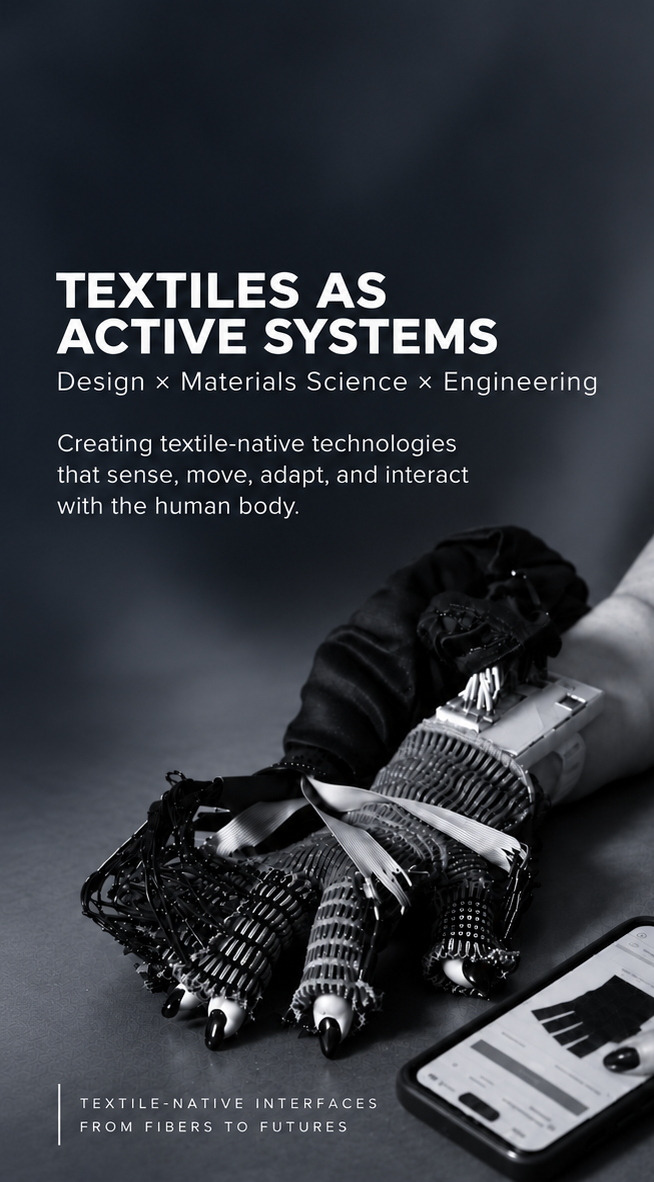
Edemaflex: robotic textile glove
Thermo-responsive GLOVE
woven e-textile interface
AI & Textile Intelligence

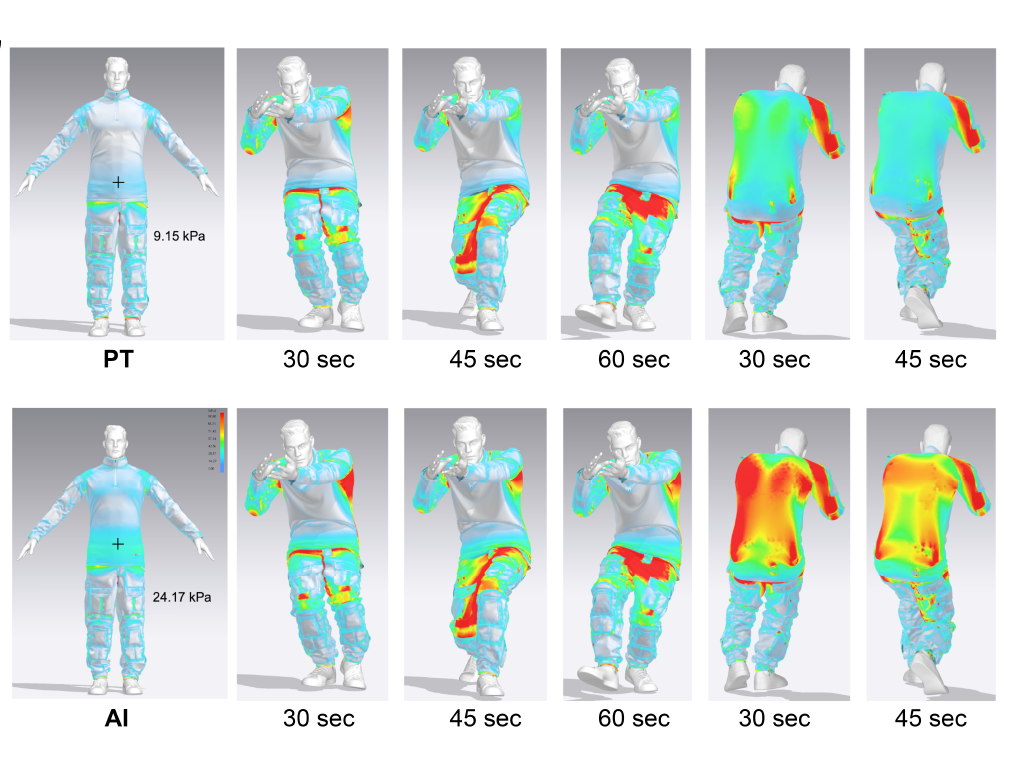
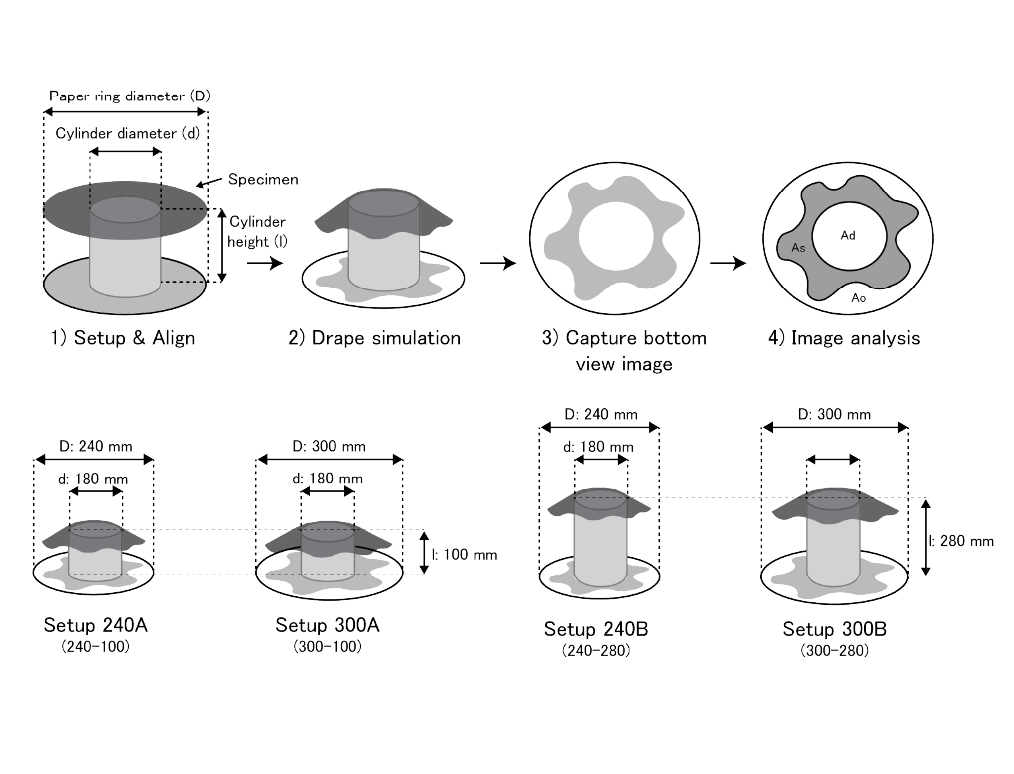
We develop computational approaches to understand, predict, and design physical textile behavior. Through AI-based textile digitization, virtual prototyping, and material evaluation, we connect textile structures, surface properties, softness, drape, and performance with data-driven design tools.

AI-based textile digitization
Virtual drape test method DEVELOPMENT
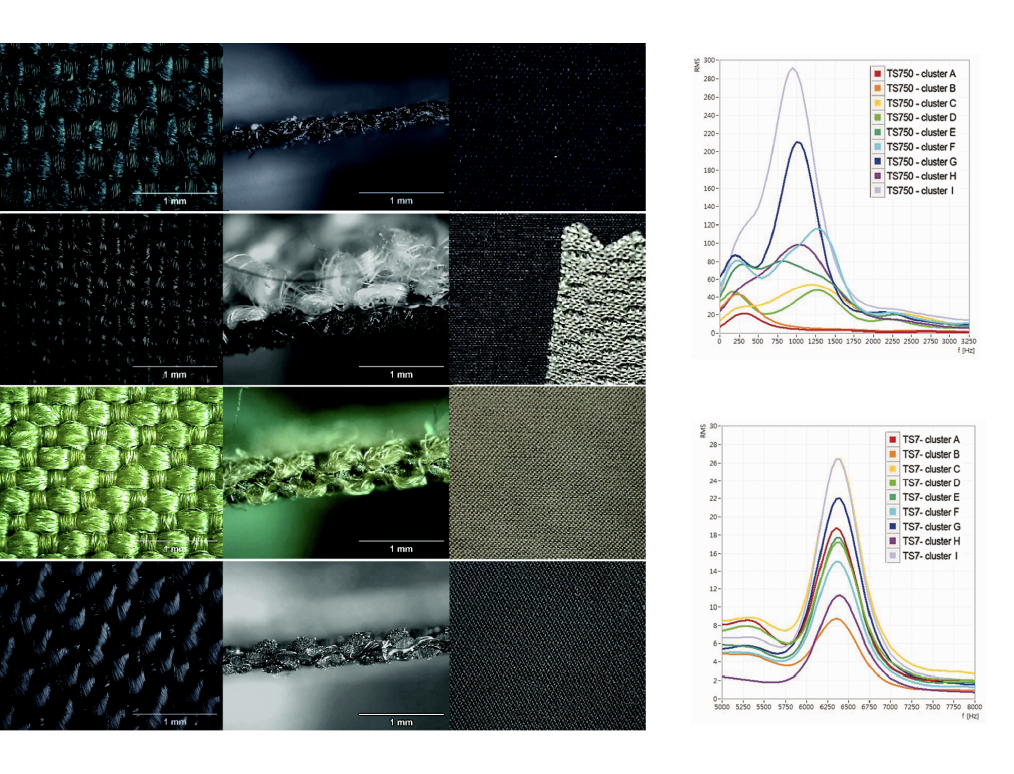
Textile softness & smoothness INDEX

Performance & Sustainability

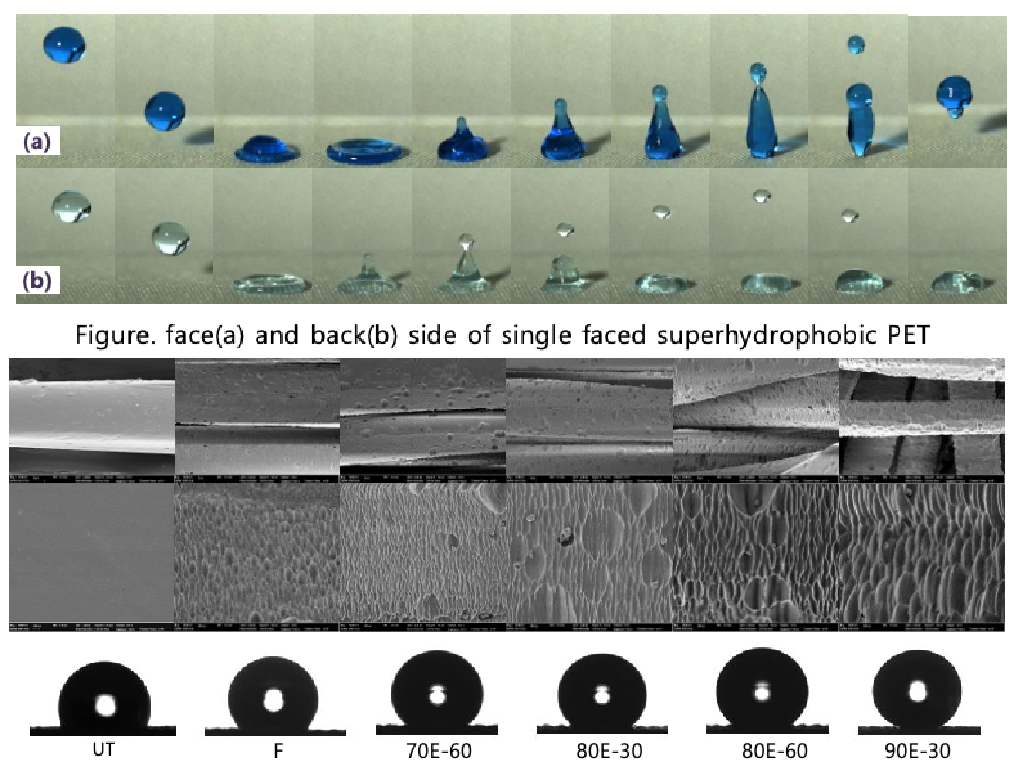
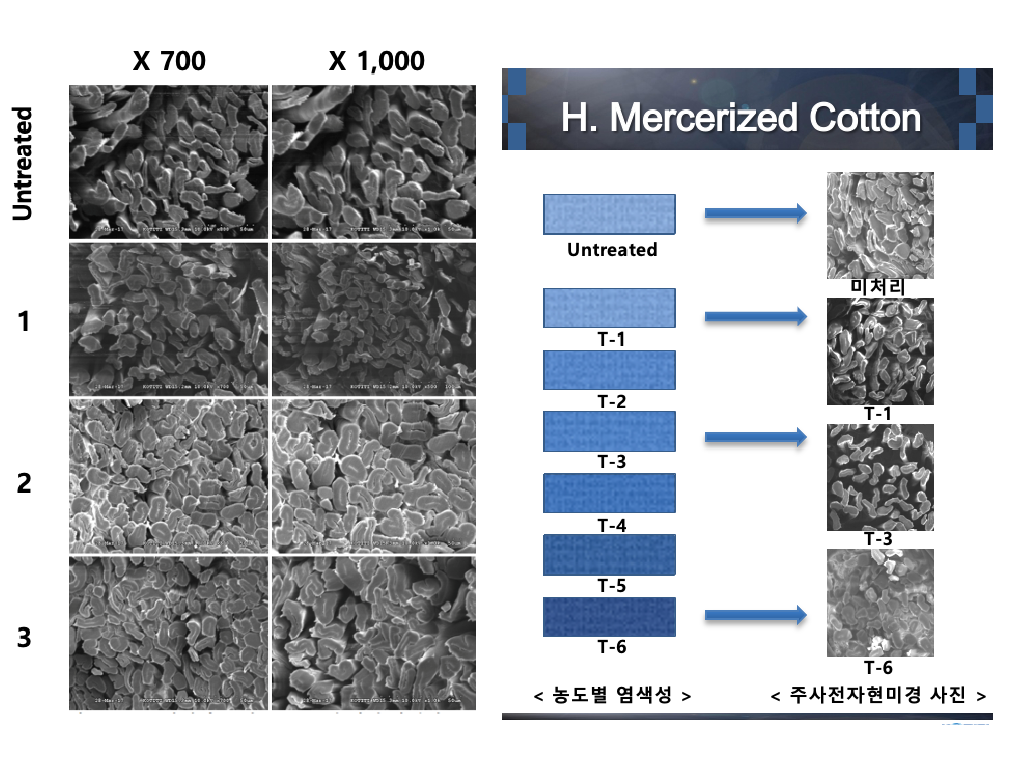
We develop performance-driven and sustainable textile materials through surface engineering, responsible coloration, bio-based material exploration, and scalable fabrication strategies. This direction connects material performance with environmental responsibility, expanding how textiles can function, last, transform, and respond.

SUPERHYDROPHOBIC Surface design
SUSTAINABLE surface engineering
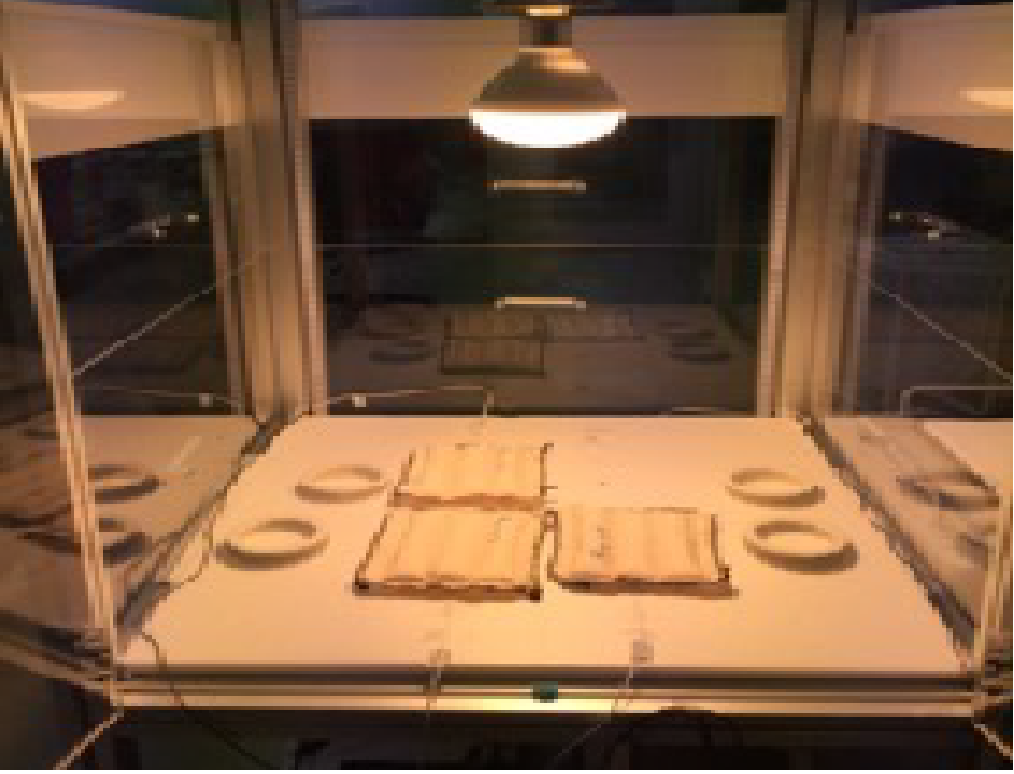
LIGHT-IRRADIATed TEXTILE

Art, Design & Expression

We explore textiles as expressive material systems for form, transformation, and embodied experience. By connecting material experimentation, textile construction, and speculative design, we investigate how textiles can shape new relationships between the body, environment, and imagination.

Transformative spaceship